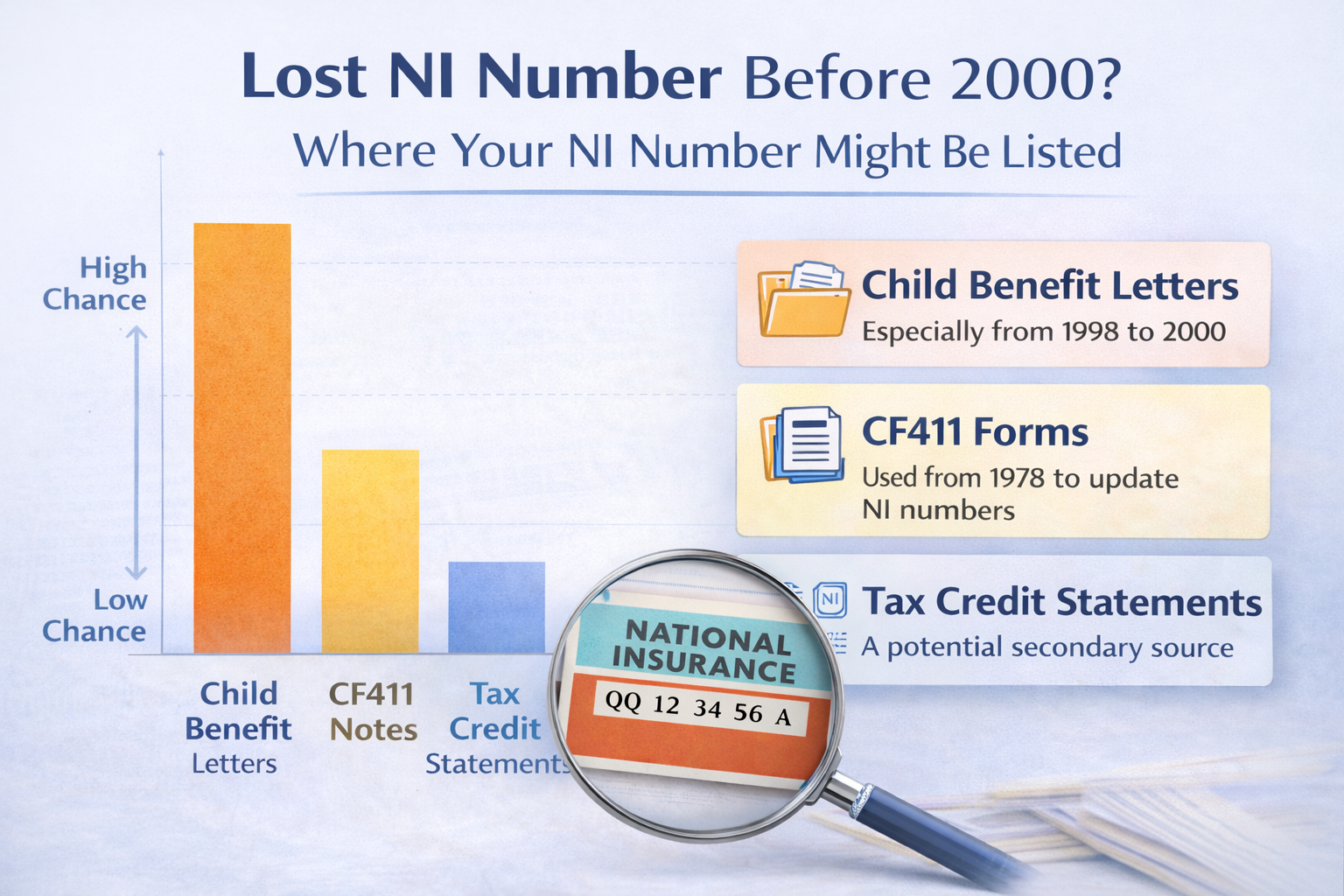
If you claimed Child Benefit before May 2000, there is a well‑known record‑linking issue that can leave Home Responsibilities Protection (HRP) missing from your National Insurance (NI) record. That matters because HRP was designed to protect your State Pension if you took time out of paid work to raise a child (or care for someone). If HRP is missing, your State Pension can be lower than it should be.
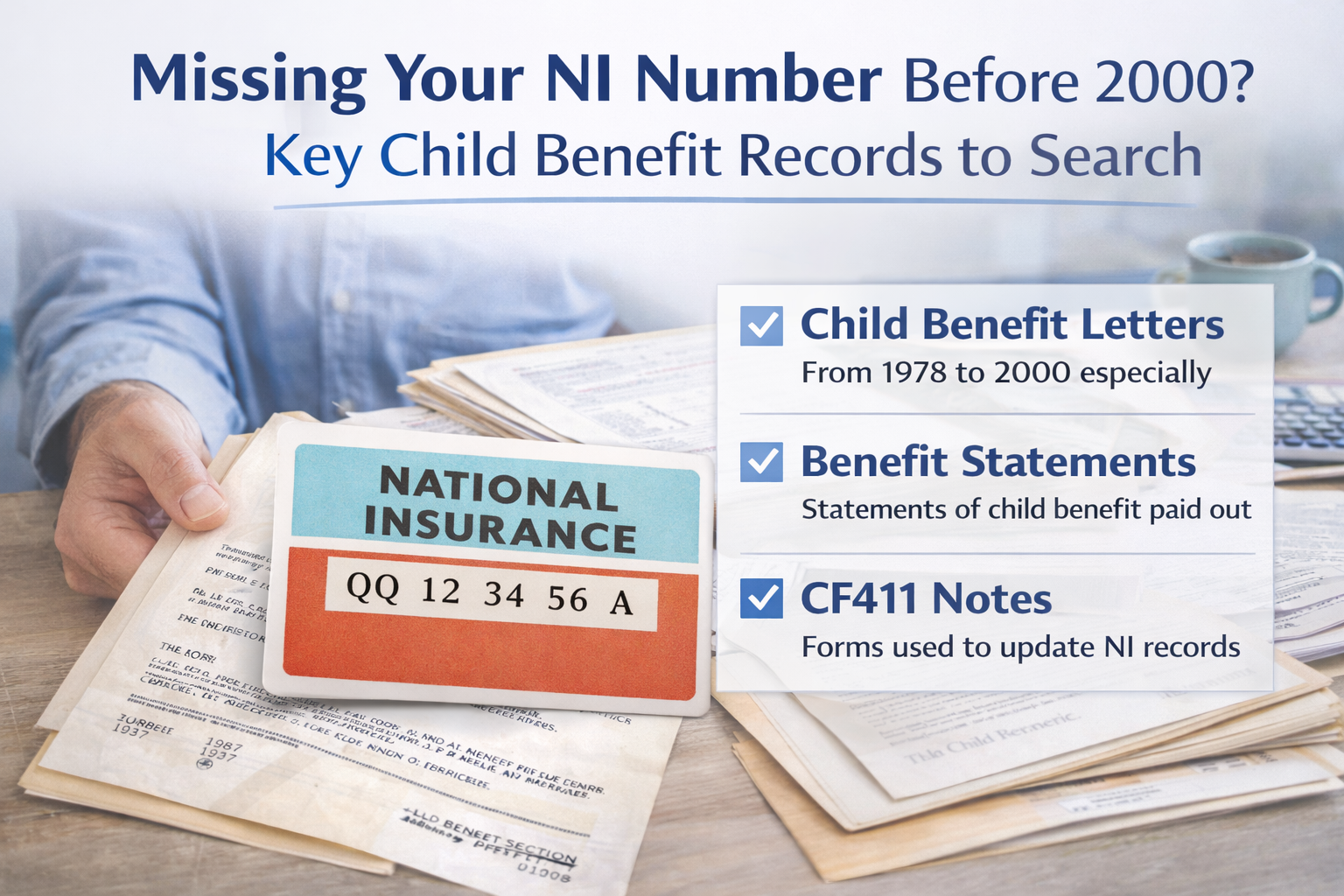
This guide explains, in plain English, (1) what the NI number problem is, (2) who it can affect, and (3) how to prove your HRP years if the automatic link did not happen.
What HRP is (and why it shows up as ‘missing’)
Home Responsibilities Protection (HRP) was a scheme that protected parents’ and carers’ State Pension for full tax years between 6 April 1978 and 5 April 2010. From 6 April 2010, HRP was replaced by National Insurance credits. If you qualified, HRP should usually have been added automatically when you were awarded Child Benefit for a child under 16. However, GOV.UK specifically warns that some people may have missed out if their National Insurance number was not linked to the Child Benefit claim at the time.
Official guidance:
• HRP overview (GOV.UK): https://www.gov.uk/home-responsibilities-protection-hrp
• Apply for HRP (GOV.UK): https://www.gov.uk/guidance/apply-for-home-responsibilities-protection
The ‘Child Benefit before 2000’ NI number problem
Before May 2000, it was possible to start a Child Benefit claim without providing your National Insurance number on the claim. If that NI number was never captured or never matched correctly, the Child Benefit record may not have been linked to your NI record — and HRP can be missing as a result. GOV.UK highlights this exact risk (NI number not linked to the Child Benefit claim). Independent charities that work on tax and low‑income issues also explain that the ‘before May 2000’ process is a common reason HRP is missing.
Helpful explainer:
• Low Incomes Tax Reform Group (LITRG) – Child Benefit before May 2000 and missing HRP: https://www.litrg.org.uk/news/home-responsibilities-protection-did-you-claim-child-benefit-may-2000
Why you might be hearing about this now
In the last couple of years, the ‘pre‑May 2000 NI number’ issue has had renewed attention because more people are checking their NI records online and spotting gaps. LITRG also notes that HMRC has been contacting some people by letter, but that not receiving a letter does not mean you are unaffected — so it’s worth checking if you remember a Child Benefit claim starting before May 2000.
Further reading (non‑GOV sources):
• MoneySavingExpert explainer: https://www.moneysavingexpert.com/pensions/home-responsibilities-protection/
Who should pay attention to this (quick checklist)
- You claimed Child Benefit at any point between 1978 and 2010, and especially if the claim started before May 2000.
- You took time out of work (or earned less) while caring for a child under 16.
- Your State Pension is not the full amount, or your NI record shows ‘Year is not full’ for years when you were caring for children.
- You have had name changes, moved house frequently, or your Child Benefit claim was originally made under older paper systems (these can complicate matching).
Important: not everyone with ‘missing HRP’ is underpaid. HRP only matters if it would increase your qualifying years (or the amount used in your calculation). But it is worth checking, because correcting your NI record can increase your weekly pension and may lead to arrears if you are already receiving State Pension.
Step 1 — Check your NI record and State Pension forecast
The fastest way is to check your National Insurance record online. You are looking for years marked as not full (gaps), particularly in the years you were caring for children.
Official links:
• Check your State Pension forecast: https://www.gov.uk/check-state-pension
• Check your National Insurance record: https://www.gov.uk/check-national-insurance-record
What to look for:
- Years between 1978–2010 that are ‘not full’ even though you were receiving Child Benefit.
- A ‘gap’ that runs for multiple years (for example, from the late 1980s or 1990s through to 2009/10).
- Notes that suggest you were credited for some years but not others.
If you cannot access the online services, you can still apply by post (explained below). GOV.UK also publishes a ‘common questions’ resource for HRP that includes additional support routes.
• HRP common questions support resource (GOV.UK): https://www.gov.uk/government/publications/home-responsibilities-protection-communication-resources/information-to-help-answer-common-questions
Step 2 — Confirm the Child Benefit years (even roughly)
To fix a missing HRP period, HMRC will normally need enough information to identify the Child Benefit claim and match it to the correct NI record. If you have paperwork, that helps — but don’t panic if you do not.
Useful items to gather (if you have them):
- Child Benefit award letters (old paper letters are common).
- Bank statements showing Child Benefit payments (even a small sample can help).
- Your child(ren)’s full names and dates of birth.
- Details of the other parent (if known) — GOV.UK says this can be included in the application.
- Anything that shows your identity at the time (for example, name change documents if your surname changed).
Step 3 — Apply to HMRC to add missing HRP
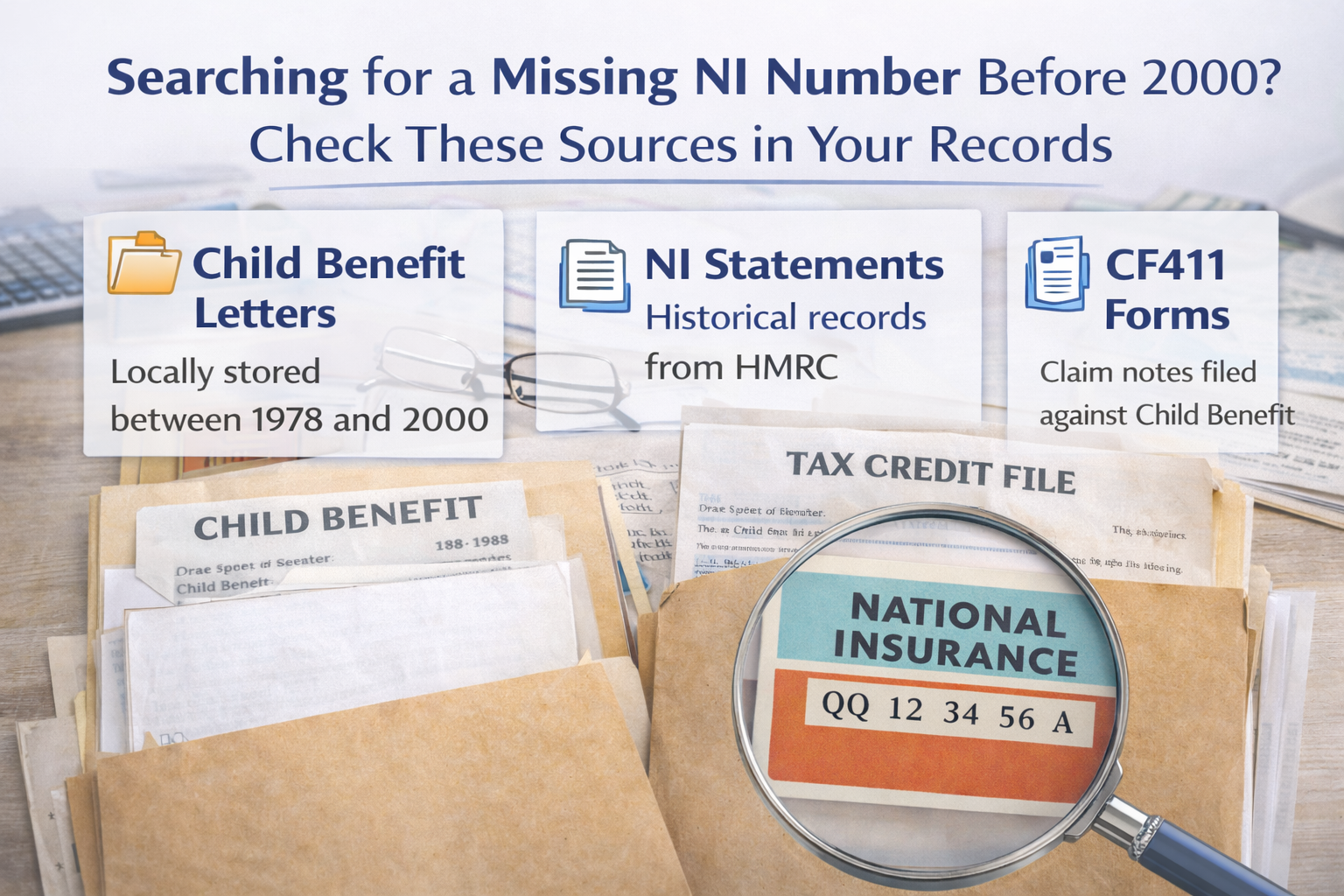
If you think HRP is missing, GOV.UK says you can apply online or by post using form CF411. For Child Benefit cases, GOV.UK states you’ll need to include your children’s names and dates of birth, plus details of the other parent if known. You can also include supporting evidence such as a Child Benefit award letter or a bank statement showing Child Benefit payments.
Official application page (includes online service + postal route):
• https://www.gov.uk/guidance/apply-for-home-responsibilities-protection
If you are applying on behalf of someone who has died:
GOV.UK says to apply by post and include a letter confirming you are the personal representative (for example, executor or administrator). This is set out on the same application guidance page above.
Common problems (and how to handle them)
“I claimed Child Benefit, but my NI record still shows gaps.”
This is exactly the situation HRP applications are designed to fix. Start with the official eligibility check and then apply using the GOV.UK process.
“I can’t find old Child Benefit letters.”
You can still apply. GOV.UK says you can include evidence that supports your claim, for example a Child Benefit award letter or bank statements — but the key information is your children’s names and dates of birth.
“My surname changed after marriage/divorce.”
Name changes can cause records to be held under different identifiers. If possible, keep a simple timeline of names used and dates, and include that context with your application.
“I’m worried about tax or benefits if my pension increases.”
An increase in State Pension (and arrears) can affect tax and some means‑tested benefits. LITRG highlights this risk and suggests getting welfare advice if you receive means‑tested support.
Why record retention matters (and what to keep)
HRP is a record‑matching exercise. The clearer your identity and Child Benefit details are, the easier it is for HMRC to link the right Child Benefit record to the right NI record. If you are starting an HRP correction now, keep copies of what you submit and any replies you receive.
- A copy of your completed application (online submission confirmation or postal copy).
- Copies/scans of any supporting evidence you send.
- Any reference numbers and dates you submitted documents.
- Any HMRC letters or emails you receive about the outcome.
Quick FAQs
Does claiming HRP change my State Pension automatically?
If HMRC accepts your HRP application, they update your NI record. If you are already receiving State Pension, DWP may then recalculate your pension based on the corrected record.
Do I need to know exact dates for Child Benefit?
Exact dates help, but if you do not have them, start with what you know (children’s details and rough years) and use the GOV.UK process.
If I didn’t provide my NI number back then, am I definitely owed money?
Not necessarily. HRP only increases your pension if it fills qualifying‑year gaps that matter to your calculation. But checking is worthwhile.
CTA: Check eligibility in 60 seconds
If you claimed Child Benefit before May 2000, the safest approach is simple: check your NI record, identify any gaps in the years you were caring for children, and use the official HRP application route if something looks wrong. Most people only need to do this once — and keeping good copies of what you submit makes the process smoother.