Evidence Bridges 101: Linking Old Names, New Addresses & Missing Dates in HRP Claims
A practical guide to “bridging” evidence in HRP claims — linking old names, new addresses and undated documents to the correct tax years.
A practical guide to proving main carer status, Child Benefit history, and address linkage for HRP when parents separate or divorce — with annex templates and evidence examples.
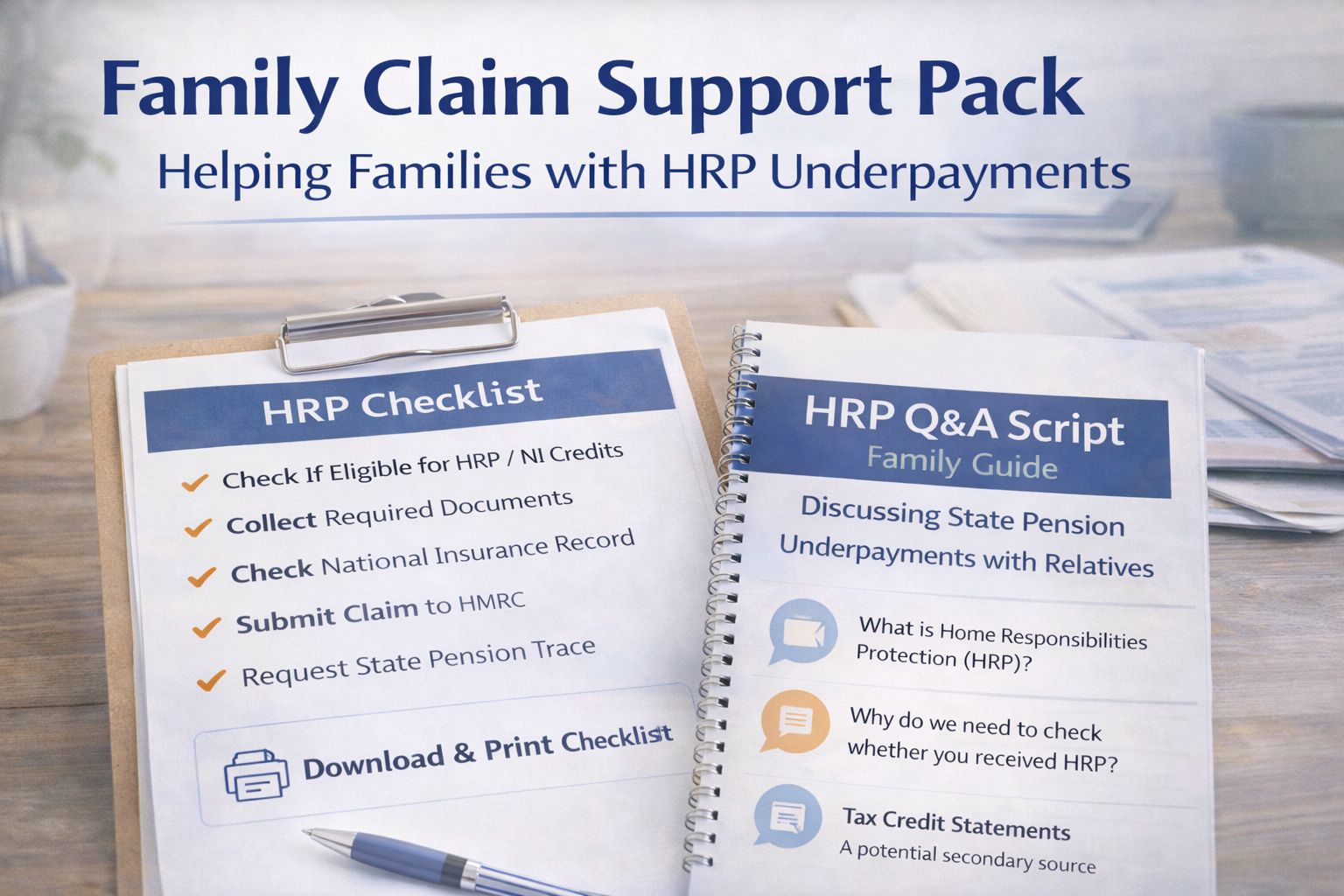
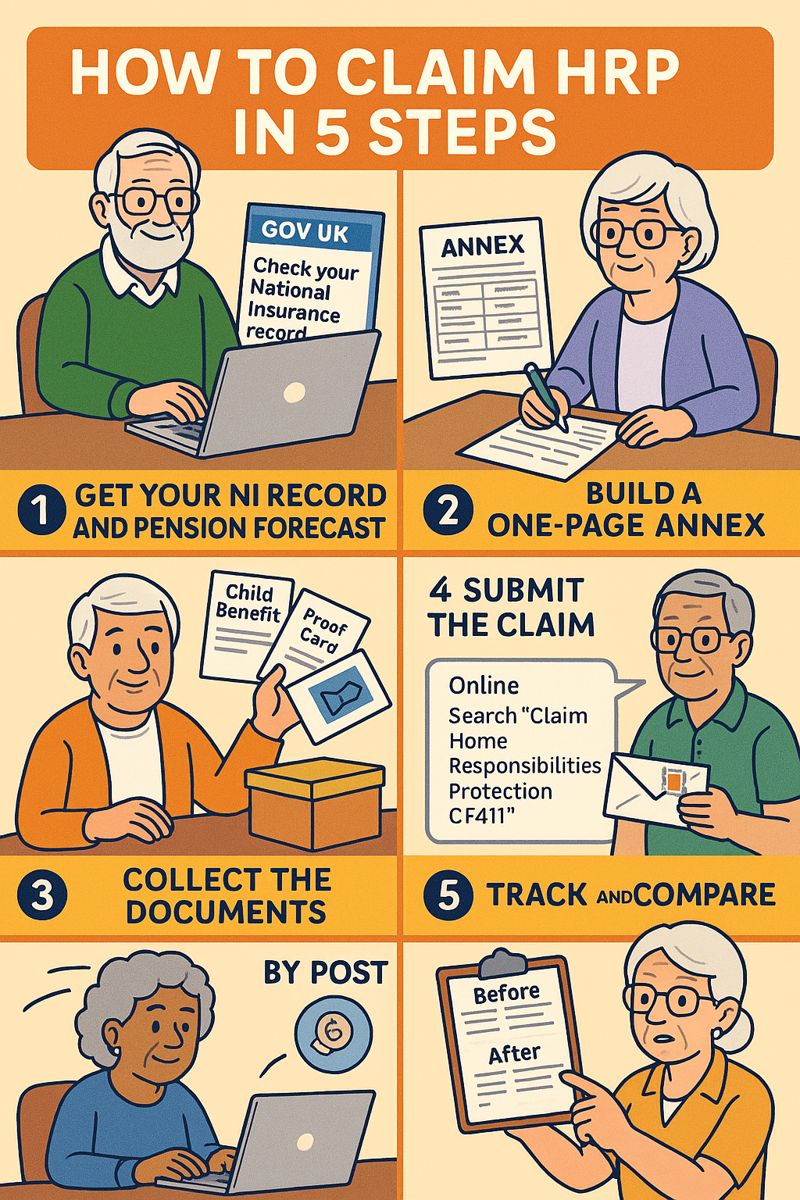
Barbra used Evanshaw’s guided HRP process to build a submission-ready pack. This part shows precisely what she uploaded, how Evanshaw built the annex, and the timeline to decision—plus what she’ll do if questions arise.
Barbra is at State Pension age, raised a child during 1978–2010, and received Child Benefit—but her State Pension forecast looks low. She tries the government HRP process, struggles with a new gov account and long forms, and almost quits. Then she finds Evanshaw and gets a simple, guided HRP claim process that she can complete online in minutes.
The 35-hour threshold evidences substantial caring activity for HRP. Your documents should anchor to each tax year (6 April–5 April) and, where relevant, link to disability benefits such as DLA or Attendance Allowance.
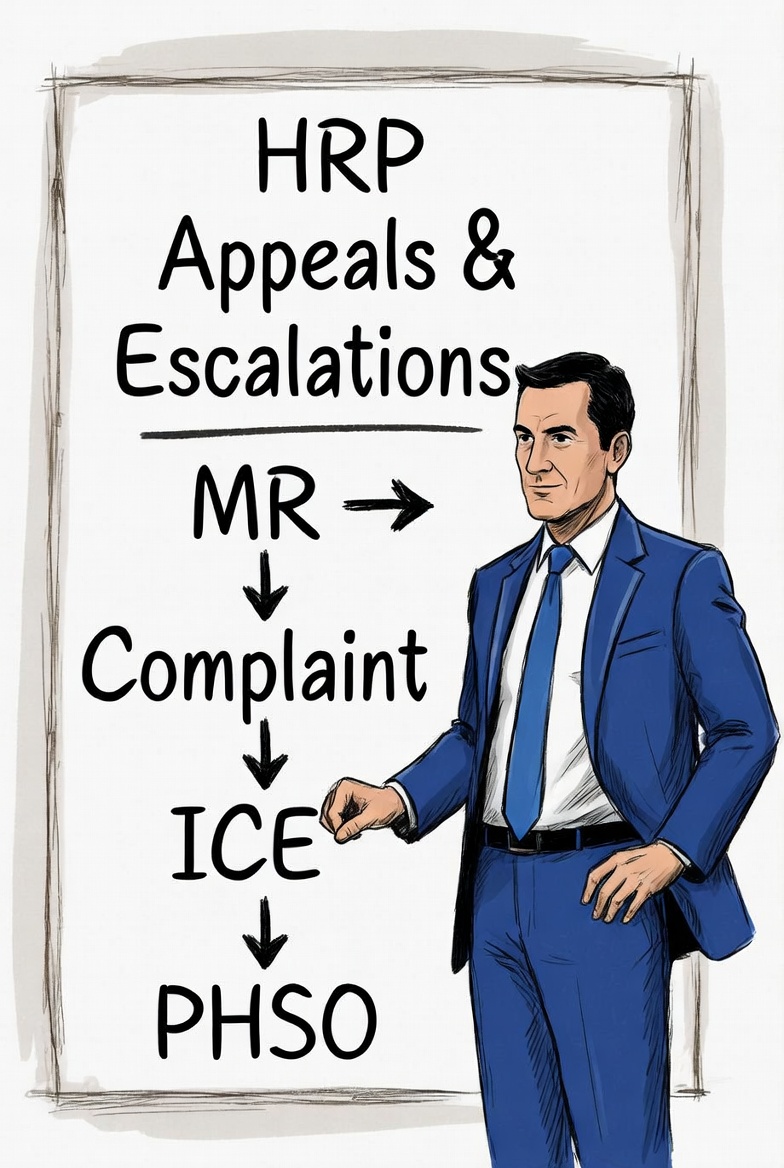
Appeal where evidence was overlooked/misunderstood or the decision conflicts with your care/Child Benefit chronology. Check the MR (Mandatory Reconsideration) time limit on your decision letter and respond within that window.
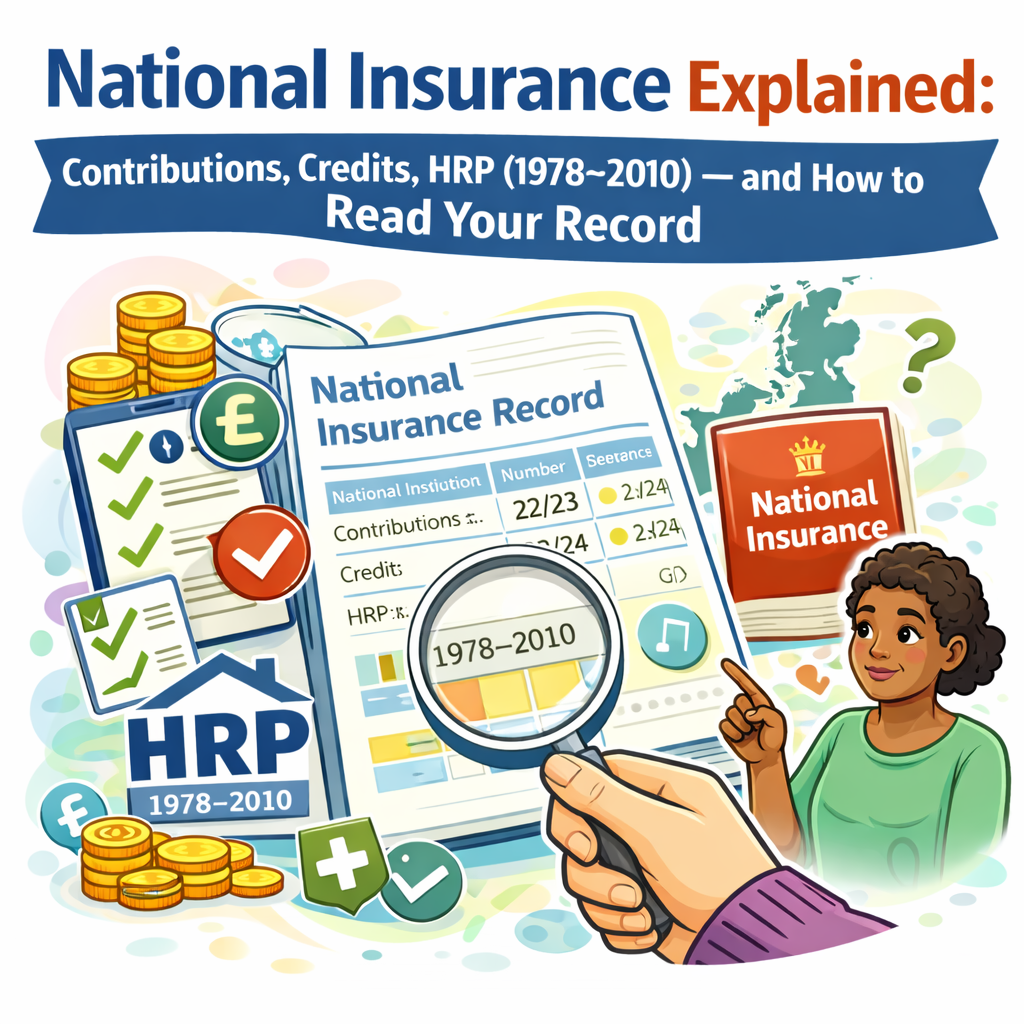
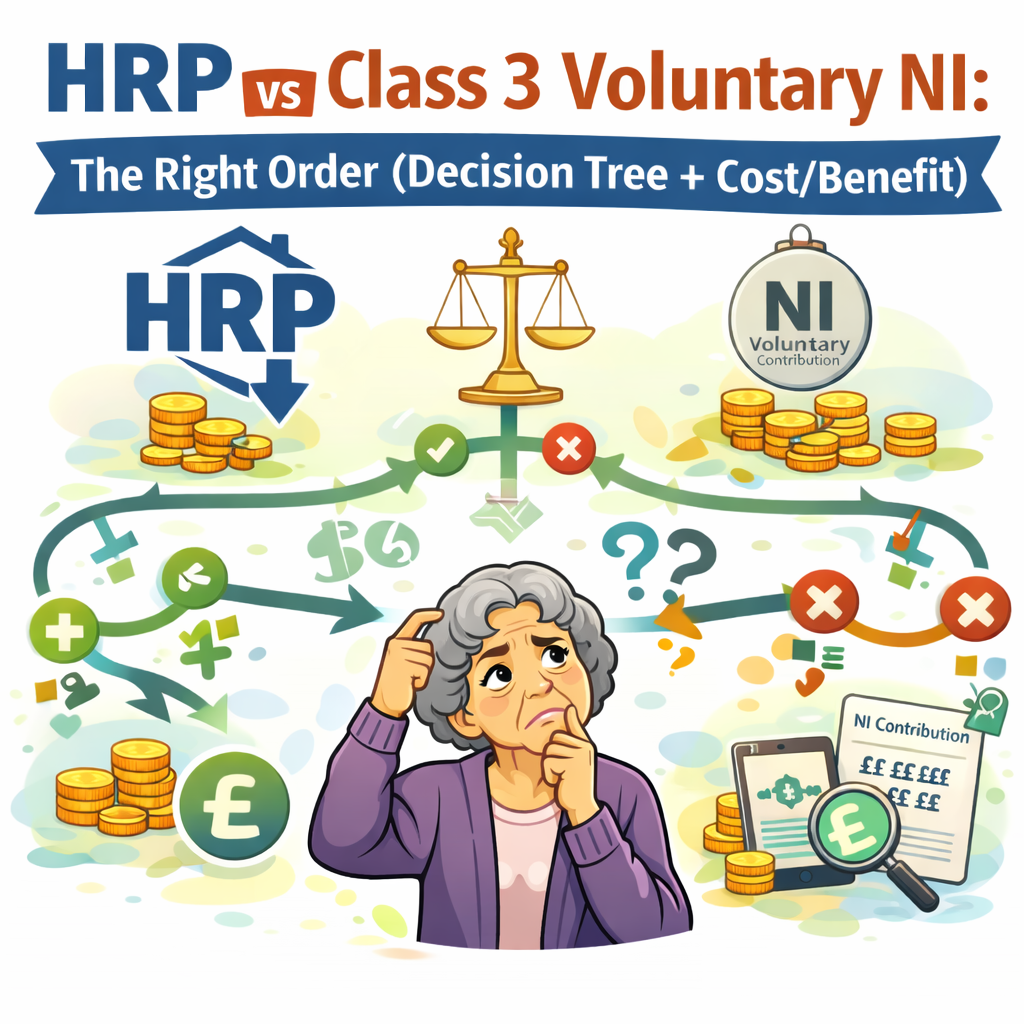
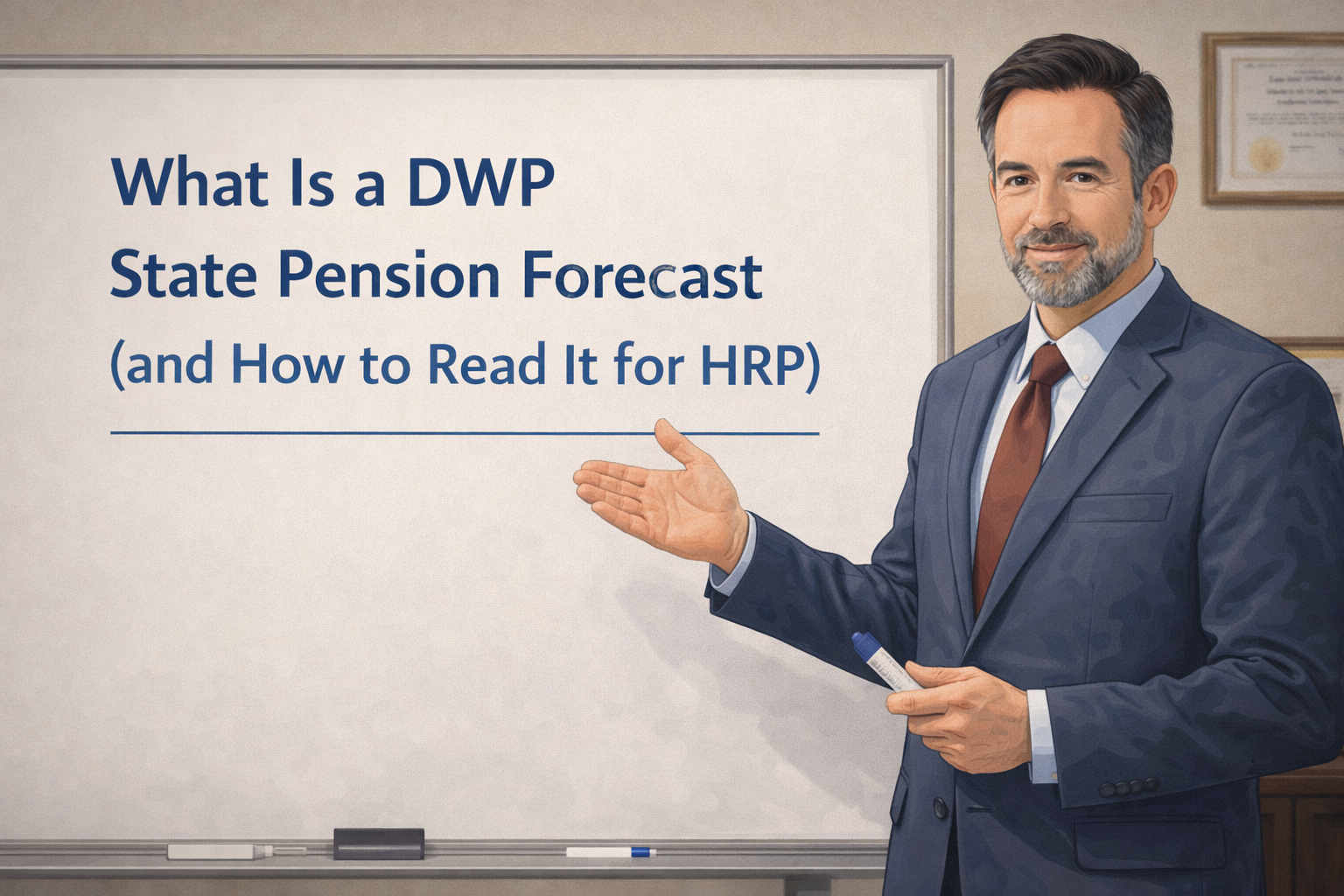
Your NI record and State Pension forecast show gaps, credited years, and the cash impact of fixing them. Reading them correctly helps you prioritise HRP before spending on Class 3 top-ups.

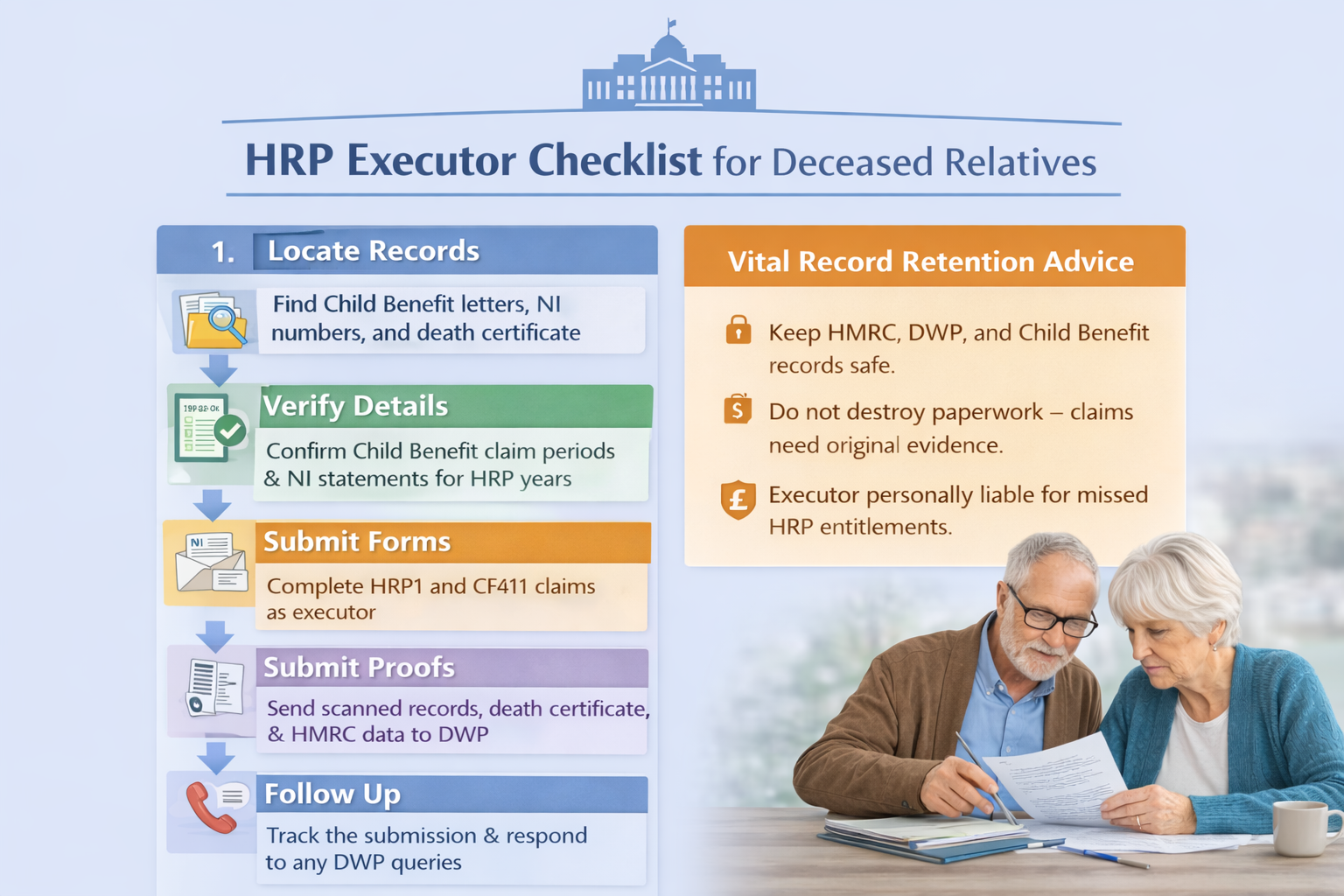
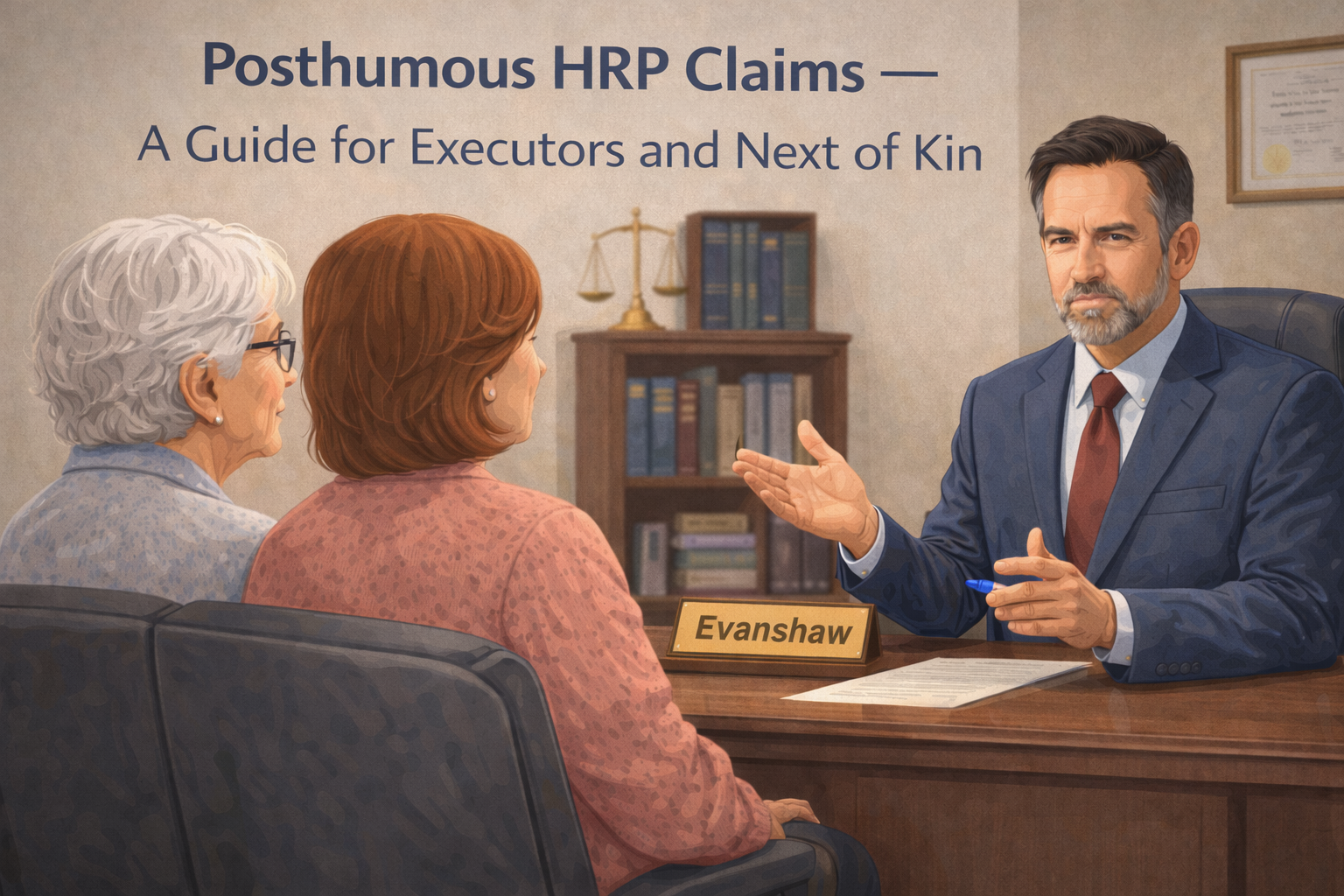
Where HRP was missing during life, there may be State Pension underpayments. Once HRP credits are applied, the estate can often claim arrears. This guide sets out who can act, what to send, and how to escalate if progress stalls.

If you were the main carer but Child Benefit was paid to your partner, your NI record may be missing HRP credits for those years. This guide shows how to move the credit to the correct partner using a clean, evidence-led annex and a short transfer request—so your State Pension reflects your real care history.
HRP Quick Facts
HRP Quick Facts
HRP Quick Facts
Many carers and parents combined self-employment with childcare. HRP can protect qualifying years even when Class 2 contributions were irregular — but only if it’s recorded. Here’s how to approach gaps sensibly so you don’t overpay for top-ups.
Typical scenarios
A large share of HRP issues are simple record‑linking problems. If you married, divorced, or changed your name between 1978–2010, parts of your Child Benefit/HRP history can sit under different identifiers. Re‑linking your identity trail helps DWP/HMRC recognise protected years.
What causes a split record
If you regularly cared for a partner, parent or disabled child between 1978–2010 but didn’t claim Child Benefit, you might still qualify for Home Responsibilities Protection (HRP). The key is clear, date-anchored evidence that shows who you cared for, when, and how intensively.
Who this applies to
Introduction
Home Responsibilities Protection (HRP) was introduced to ensure that parents and carers who took time out of paid work were not penalised when they reached State Pension age. HRP ran from 6 April 1978 until 5 April 2010, when it was replaced by National Insurance (NI) credits. Official GOV.UK guidance confirms the purpose and timeline of HRP, and how it interacted with Child Benefit and care-related entitlements (see ‘Home Responsibilities Protection – Overview’ on GOV.UK: https://www.gov.uk/home-responsibilities-protection-hrp and ‘What you’ll get’: https://www.gov.uk/home-responsibilities-protection-hrp/what-youll-get).
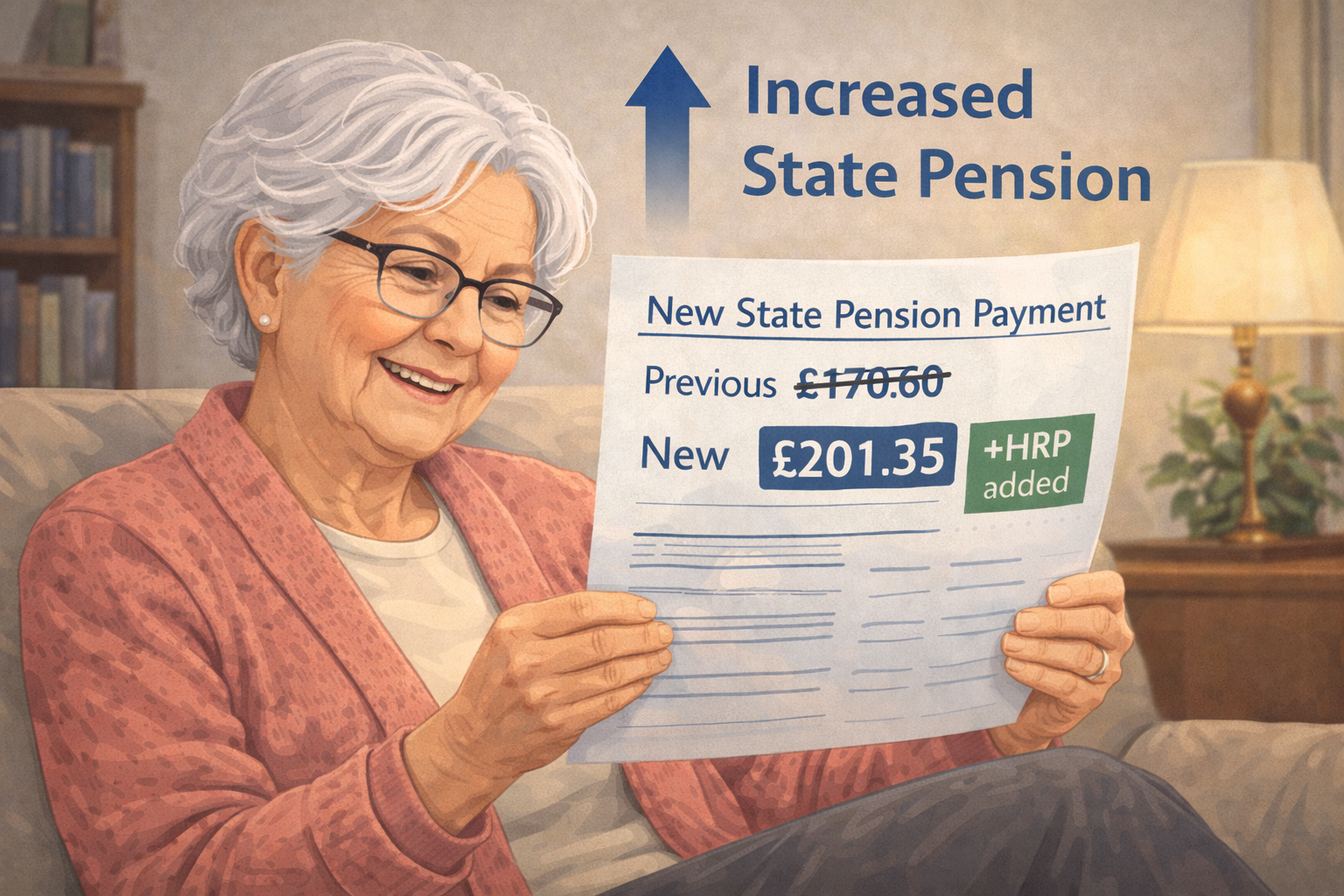
Sometimes the best way to understand the impact of Home Responsibilities Protection (HRP) is to look at a real story. This case study follows Margaret, a mother and carer, who discovered she was missing HRP credits. With Evanshaw’s help, her State Pension increased by £50 per week — transforming her retirement.
Home Responsibilities Protection (HRP) was introduced in 1978 to protect the State Pension rights of people who took time away from paid work to raise children or care for others. But what about foster parents and kinship carers? This blog explains how HRP applies to them, what the rules were, and what you can do if your record is missing credits.
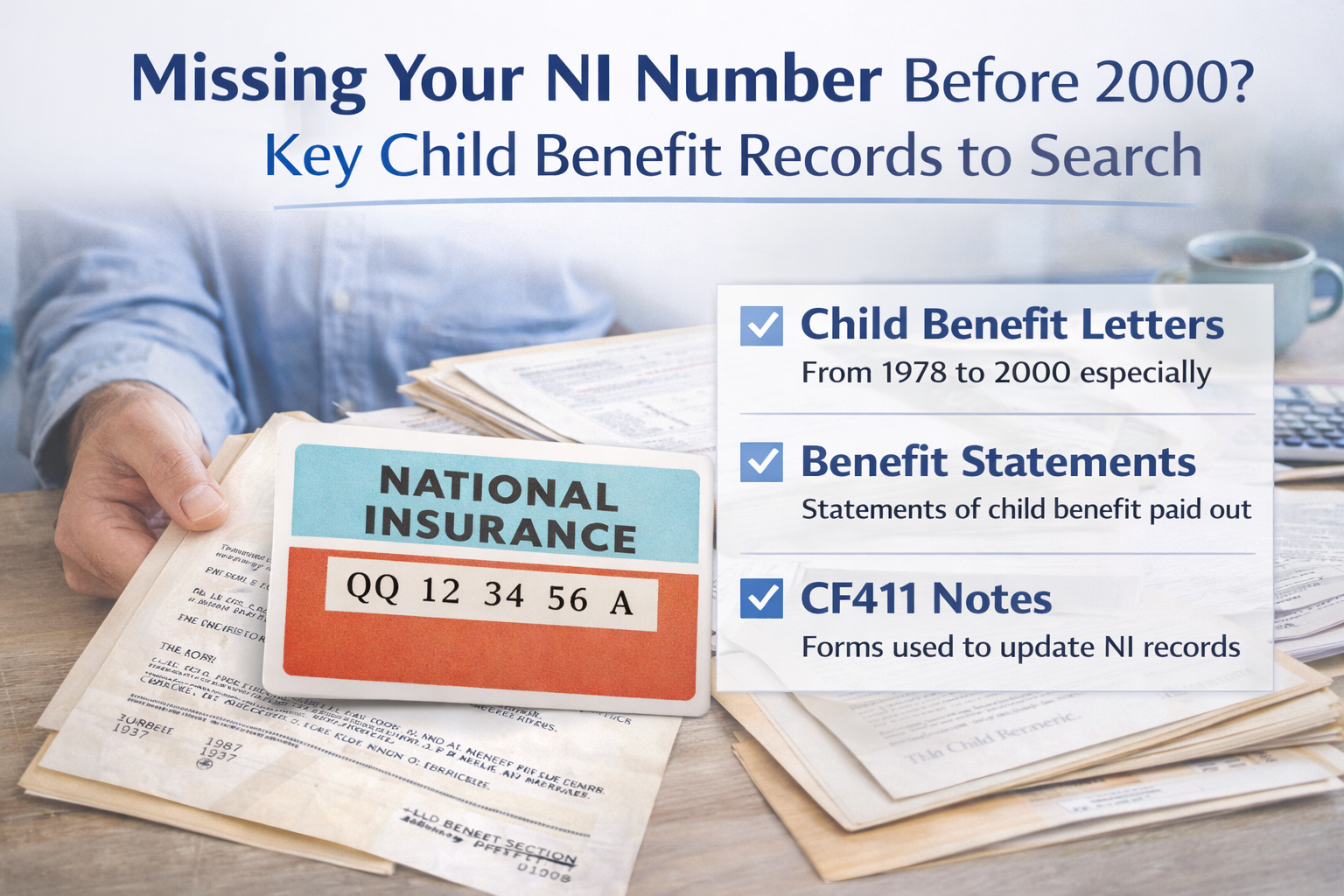
If you’ve discovered gaps in your National Insurance (NI) record between 1978 and 2010, you may be entitled to Home Responsibilities Protection (HRP). One of the most important documents for correcting these gaps is **form CF411**. But what exactly is it, and how do you use it? This guide explains everything you need to know.
Across the UK, millions of people provide unpaid care for loved ones. They give up jobs, reduce their hours, and put family first. For decades, the government promised that these sacrifices wouldn’t harm their retirement.
That promise was called Home Responsibilities Protection (HRP) — introduced in 1978 to make sure carers and parents still built up their National Insurance (NI) record.
But many carers have since discovered that HRP was not always recorded correctly. The result? Their pensions are hundreds or even thousands of pounds lower than they should be.
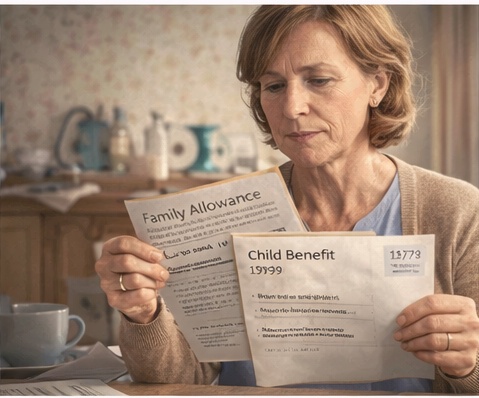
For many people approaching retirement, the State Pension is the cornerstone of their financial security. Yet thousands of parents and carers are missing out on money they are entitled to — often without realising it.
Home Responsibilities Protection (HRP) was meant to safeguard people, mostly women, who gave up paid work to raise children or care for relatives between 1978 and 2010. But for countless families, HRP was never properly recorded.
Imagine two different retirement stories.
Home Responsibilities Protection (HRP) was designed to stop parents and carers losing out on their State Pension entitlement between 1978 and 2010. But when HRP credits are missing from your National Insurance (NI) record, the financial consequences can be huge. Even one missing year could mean thousands lost over your retirement.
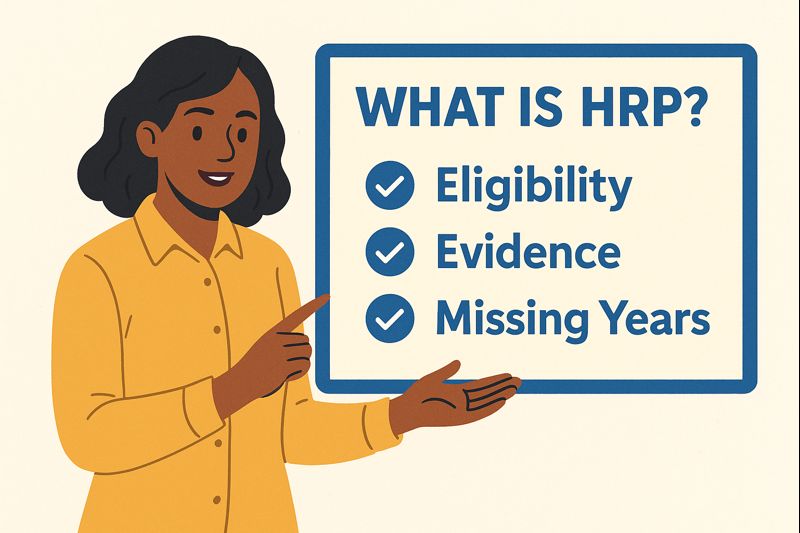
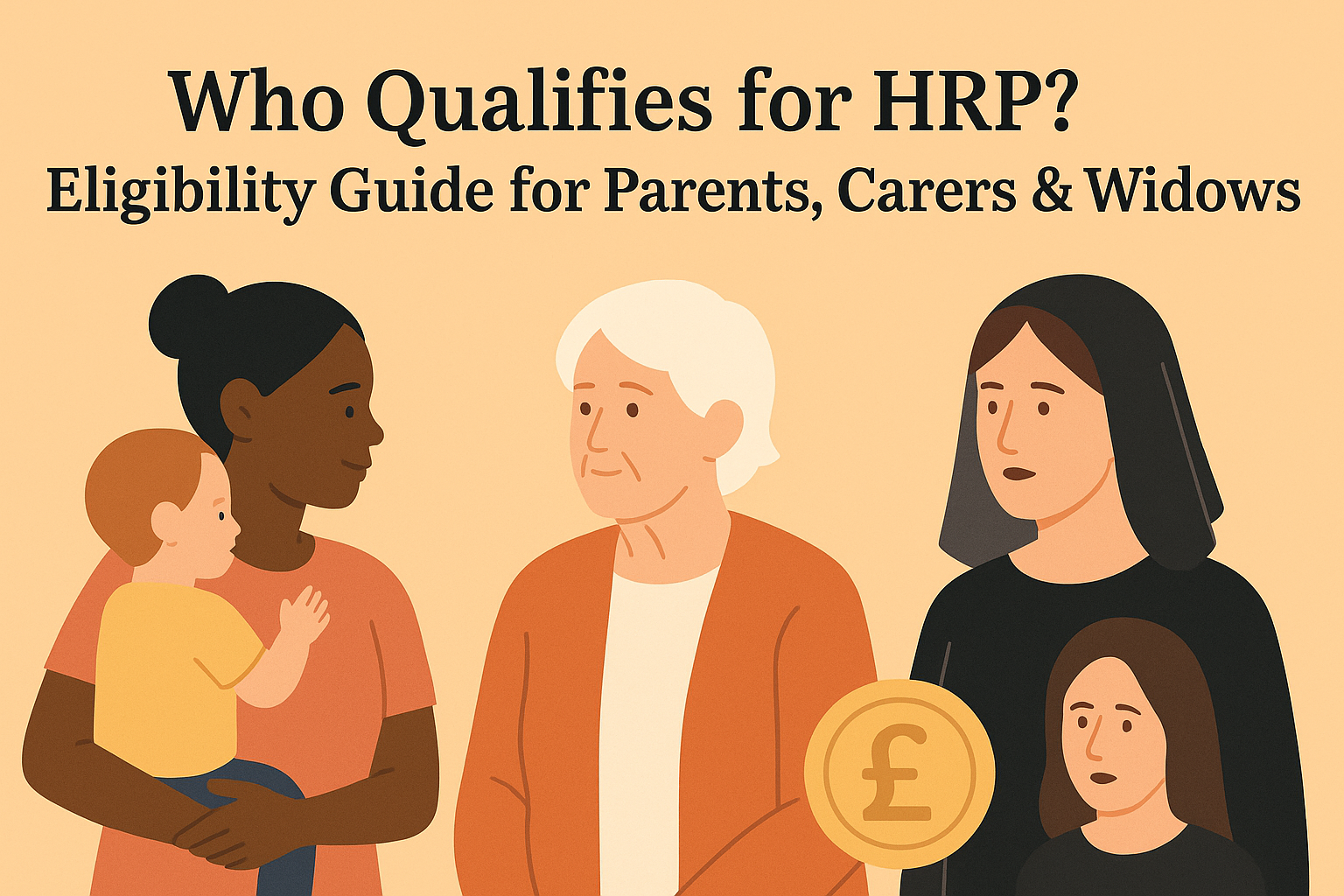
One of the biggest sources of confusion around Home Responsibilities Protection (HRP) is eligibility. Many parents, carers and widows don’t realise they qualify for HRP credits — or assume they do when in fact they don’t. This guide sets out who is eligible, who isn’t, and how to make sure you don’t miss out on valuable State Pension entitlement.
Home Responsibilities Protection (HRP) claims are essential for thousands of parents and carers whose State Pension records are missing credits from 1978 to 2010. However, many claims are delayed or rejected because of avoidable mistakes. In this guide, we highlight the 10 most common errors people make when applying for HRP and explain how to avoid them.
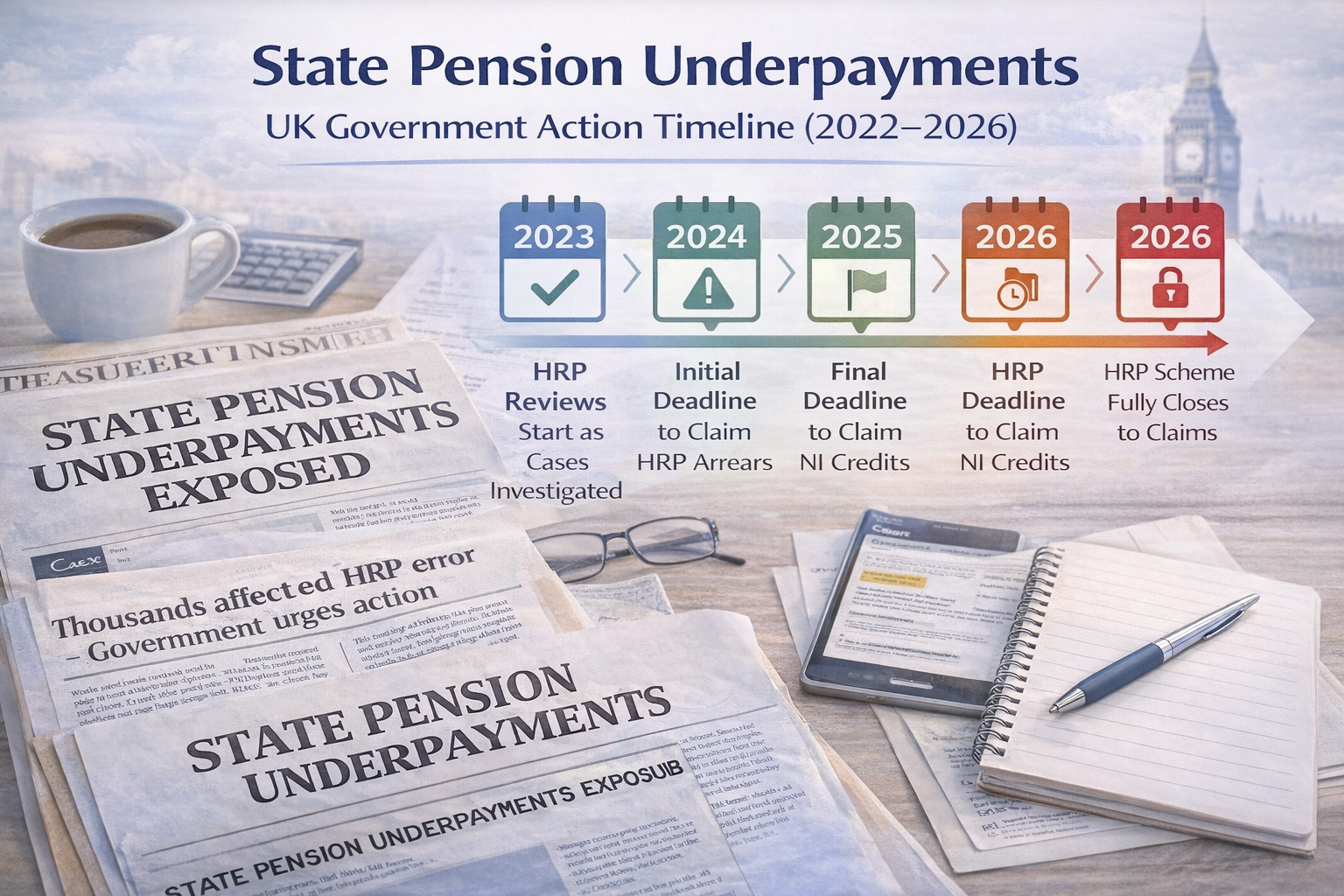
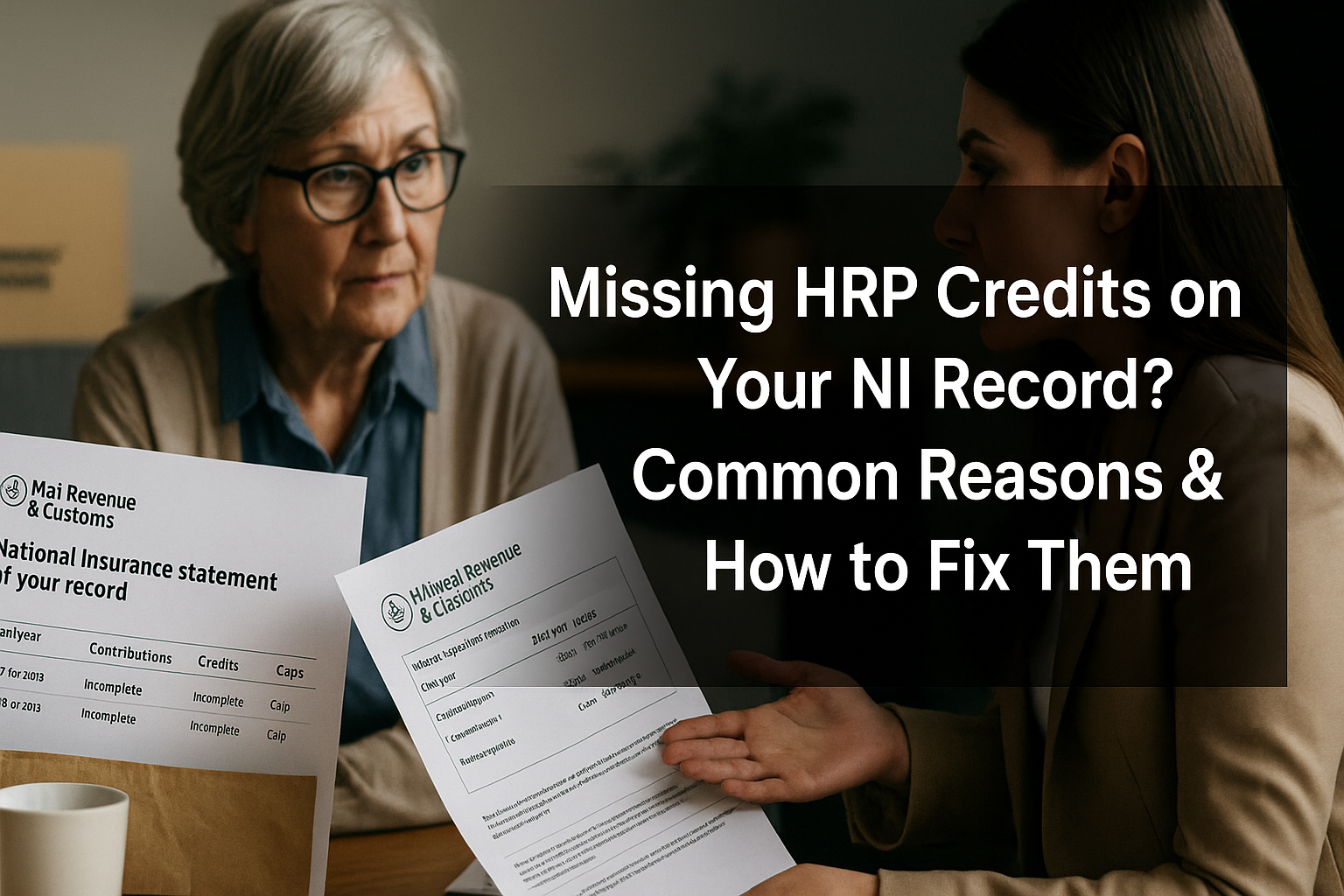
Thousands of people across the UK are missing vital Home Responsibilities Protection (HRP) credits from their National Insurance (NI) record. If HRP is missing, your State Pension may be lower than it should be — sometimes by thousands of pounds over a lifetime. The good news is that missing HRP can often be fixed with the right steps.
In this guide, we explain why HRP credits go missing, what it means for your pension, how to check your record, and how to correct errors quickly.
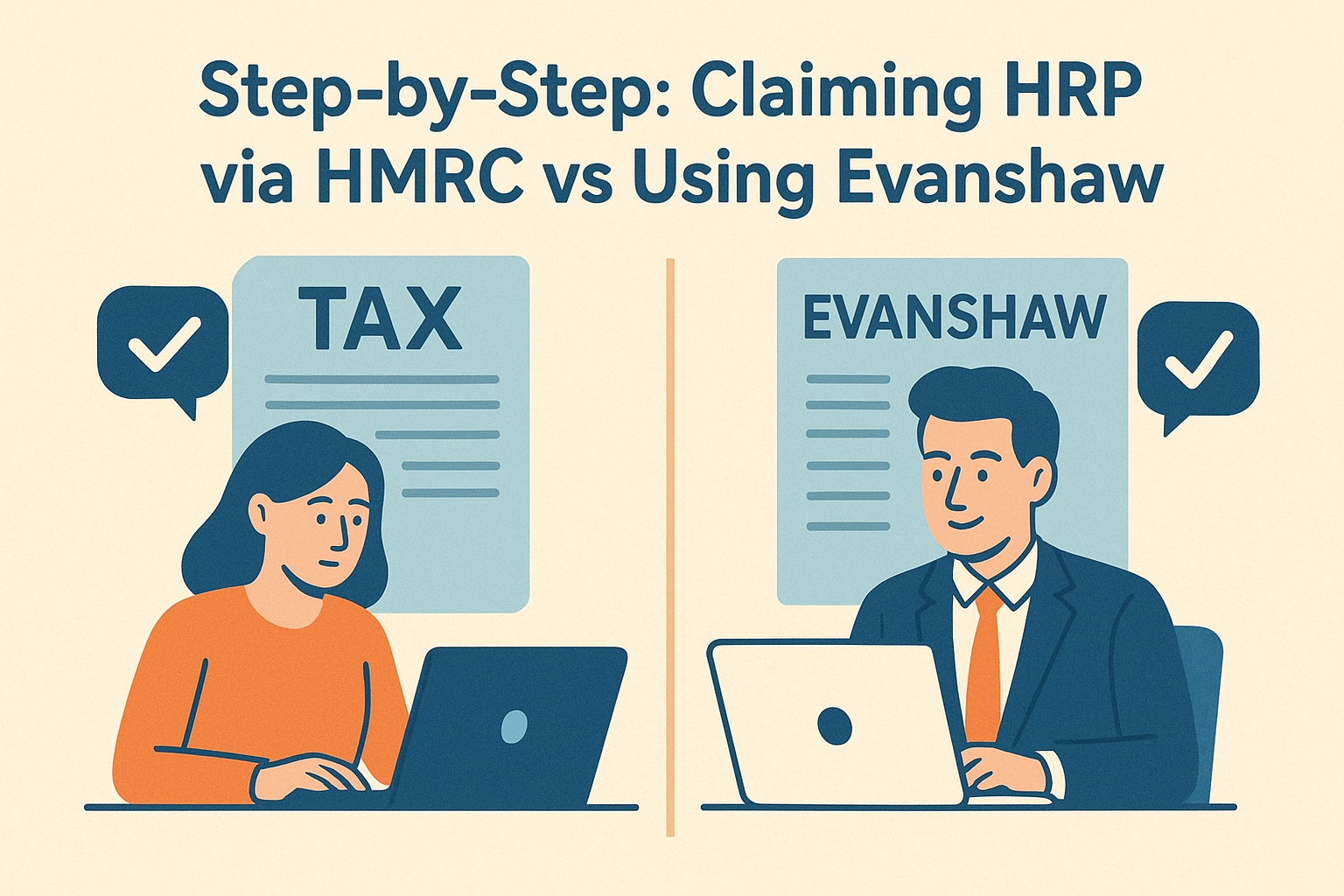
When it comes to fixing missing Home Responsibilities Protection (HRP) years in your National Insurance record, you have two main options:
1. Submit the claim yourself directly via HMRC (the DIY route).
2. Use Evanshaw’s managed service (No Win, No Fee).
Home Responsibilities Protection (HRP) was introduced in April 1978 to protect the State Pension rights of parents and carers who spent time out of paid work looking after children or sick/disabled people. If HRP is missing from your National Insurance (NI) record for years when you qualified, your State Pension may be lower than it should be — and you could be owed arrears once your record is corrected.